TX
Belton
Protecting Your Roof from Overhead Debris
Roof Cleaning for Trees in Belton for properties experiencing leaf buildup and water drainage issues
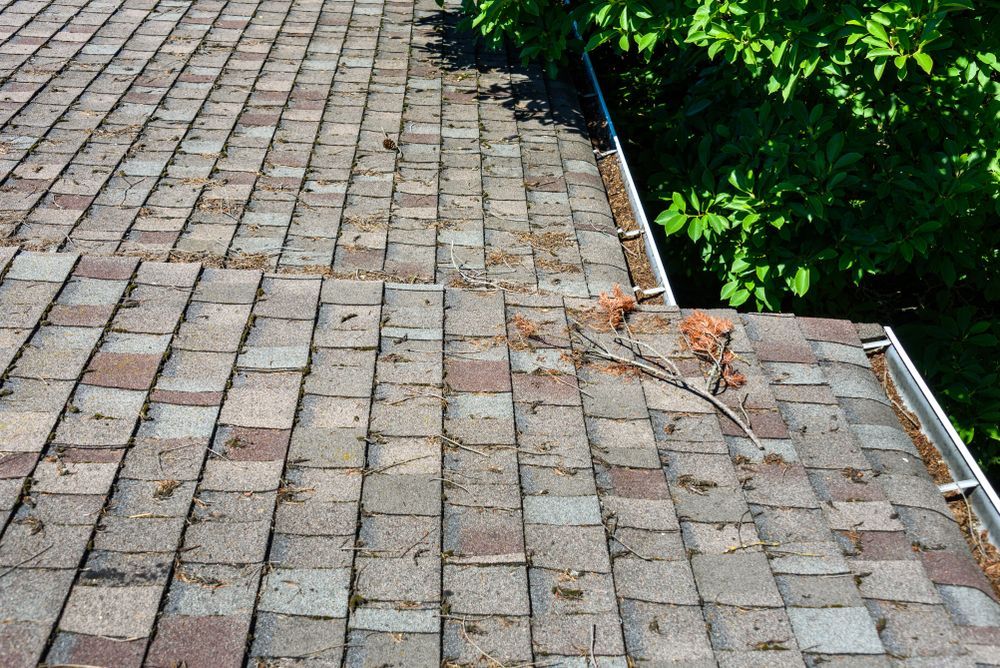
Central Texas properties surrounded by mature trees often face a recurring problem: rooftops buried under layers of leaves, branches, and organic debris that accumulate faster than most homeowners anticipate. Brothers Landscaping and Tree Services removes this debris safely from roofing materials across Belton and surrounding communities, addressing the water pooling and gutter blockages that develop when drainage pathways stay covered for weeks or months. After heavy seasonal leaf drop or storm events, you'll notice how quickly a clear roof transitions back to a surface that traps moisture against shingles and flashing.
The service involves systematically clearing all organic material from the roof surface, valleys, and edges where leaves compact into dense mats that block water flow toward gutters. Debris left in place holds moisture against roofing materials, creating conditions where mold spores colonize and shingle granules degrade at an accelerated rate. Removal restores the intended drainage pattern, allowing rainwater to sheet off the roof and into gutters rather than pooling in low spots where tree matter has built up.
Schedule a property evaluation to determine how current debris levels are affecting your roof's drainage performance.
What Proper Roof Debris Removal Prevents
The cleaning process uses methods that extract leaves and branches without disturbing the roofing material itself—no pressure washing that strips granules, no metal tools that gouge shingles, just manual removal techniques that lift debris away from the surface. Attention goes to valleys and areas behind chimneys where organic matter tends to accumulate in thick layers, and where water naturally concentrates during rain events.
Once the roof surface is cleared, you'll see water moving freely across shingles during the next rainfall instead of sitting in stagnant pools surrounded by decomposing leaves. Gutters begin receiving the water volume they were designed to handle, rather than staying partially or completely blocked at entry points. The visible difference shows up immediately: a roof line that looks clean from the street, and a drainage system that functions as intended without overflow or backup at downspouts.
This service works particularly well as a seasonal maintenance step in the fall when oak and pecan trees drop their heaviest loads, and after spring storms when broken branches litter rooftops across properties with significant tree canopy. It also serves as an emergency response when debris from a severe weather event needs immediate removal to prevent further water intrusion or structural stress on already compromised roofing systems.
What Homeowners Ask About Roof Debris Removal
Properties with tree canopy coverage often deal with similar concerns about how debris affects long-term roof condition and what removal involves.
How does debris removal differ from pressure washing?
The process relies on manual extraction rather than high-pressure water that can damage shingles, lift flashing, or force water under roofing layers where it doesn't belong.
When should roof cleaning happen in relation to gutter maintenance?
Roof debris should be cleared first so that material doesn't immediately refill gutters after they've been cleaned—sequencing these services prevents double work and ensures both systems drain properly.
What happens if debris stays on the roof through multiple rain cycles?
Organic material that remains wet creates an environment where mold colonizes the roof surface, shingle granules wash away faster, and wood decking underneath can begin to rot if moisture penetrates through compromised areas.
Why do some Belton properties need this service more frequently than others?
Tree density, species type, and canopy proximity to the roofline determine how much material lands on the roof—properties under heavy oak coverage see dramatically higher debris loads than those with sparse or distant trees.
What roofing materials can handle debris removal safely?
Asphalt shingles, metal roofing, and tile surfaces all tolerate manual debris extraction, though the approach adjusts slightly based on material fragility and how debris adheres to different surface textures.
Brothers Landscaping and Tree Services handles seasonal cleanings and emergency debris removal across properties where tree coverage creates ongoing roof maintenance needs. Arrange an on-site assessment to review debris accumulation patterns and establish a maintenance schedule that keeps your drainage system functioning year-round.