TX
Belton
Property Prepared for Construction and Use
Land Clearing in Belton for overgrown lots requiring brush removal before building or landscaping
Overgrown residential lots and undeveloped acreage throughout Belton often accumulate dense brush, volunteer trees, and undergrowth that make the land unusable for construction or landscaping projects. This vegetation doesn't just block access—it creates fire hazards during Central Texas dry seasons and harbors pests including snakes and rodents that migrate toward homes once established. Brothers Landscaping and Tree Services clears these properties using equipment sized to the project scope, removing everything from small brush to mature trees and leaving the site ready for its intended use.
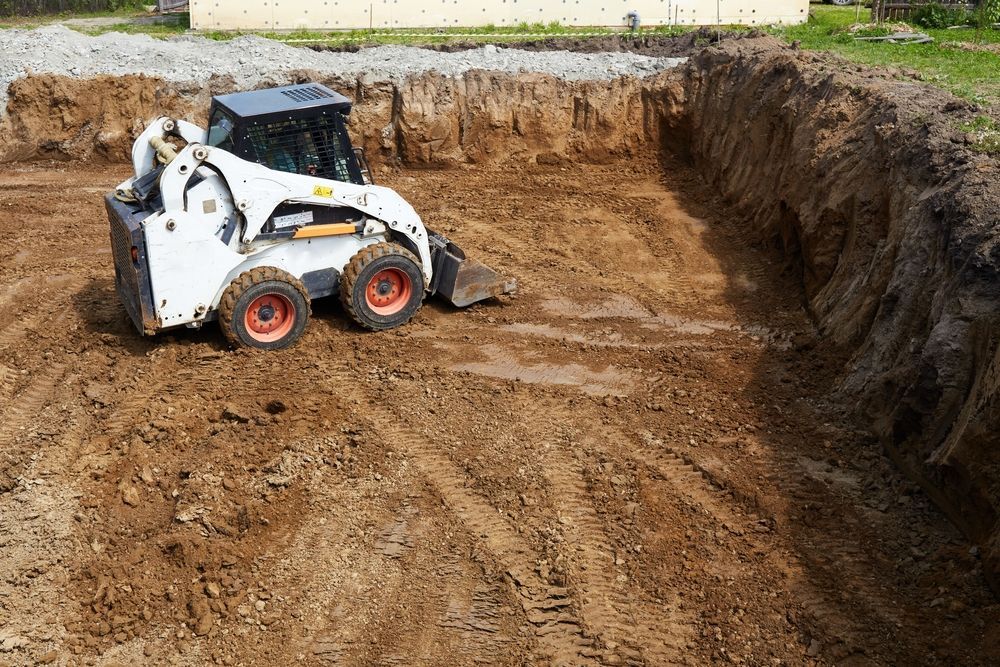
Clearing involves cutting vegetation at ground level, removing root masses that interfere with grading or construction, and hauling all debris off-site. Larger projects may include selective clearing where specific trees are preserved while surrounding undergrowth is removed. The process exposes the actual ground contours and soil conditions, which often reveal drainage patterns or elevation changes hidden under vegetation.
Arrange a site walkthrough to evaluate clearing needs and discuss which features should be preserved during the work.
What You Notice Once Clearing Is Finished
The work reveals the full usable area of your property and exposes obstacles like rock outcroppings, old fence lines, or buried debris that affect construction planning. Equipment selection depends on lot size and vegetation density—smaller residential lots may only need chainsaw work and manual hauling, while larger acreage requires tracked machinery to clear heavy brush and grind stumps below grade. Projects in established neighborhoods require careful debris management to avoid impacting adjacent properties during hauling operations.
After clearing is complete, your property shows clean sight lines from road to back boundary, and the ground surface is accessible to vehicles and equipment needed for the next phase of development. Fire risk drops significantly once dry brush and dead undergrowth are removed, and pest populations lose the cover they need to establish territories near your building site. The cleared area also improves natural airflow across the property, which helps reduce moisture and humidity that contribute to mold and insect problems.
The service includes all hauling and disposal, with vegetation removed completely rather than piled on-site where it creates ongoing fire hazards. Timing often depends on your construction or landscaping schedule, with clearing typically happening weeks before grading or foundation work begins. Some projects require staged clearing where access paths are cut first, followed by full clearing once utilities and site features are marked.
Answers to Frequent Service Questions
Homeowners and developers working with wooded or overgrown properties in the Belton area generally want to understand the clearing process and what to expect afterward.
What gets removed during a typical clearing project?
All standing vegetation including trees, shrubs, vines, and ground-level brush is cut and removed, along with root balls large enough to interfere with grading, though small root systems may remain below grade if they won't affect construction.
How does clearing reduce fire and pest risks?
Removing dry undergrowth eliminates the fuel that allows fires to spread quickly during drought conditions common in Central Texas, while loss of cover forces rodents, snakes, and insects to relocate rather than establish populations near future structures.
When should clearing happen relative to construction?
Most builders prefer clearing at least two to four weeks before grading begins so the site can be surveyed accurately and any unexpected features like drainage issues or soil problems can be addressed before foundation work starts.
What happens if I want to keep certain trees?
Selective clearing preserves marked trees while removing everything else, though you'll need to specify which specimens to protect and accept that some root damage may occur from nearby equipment operation.
Why does lot size affect the clearing approach?
Smaller residential lots under one acre typically allow manual methods with minimal equipment, while larger acreage requires tracked machinery capable of handling heavy brush and moving efficiently across varied terrain without excessive soil compaction.
Brothers Landscaping and Tree Services coordinates clearing timelines with your construction or landscaping schedule to ensure the site is ready when needed. Schedule a project estimate to review the specific vegetation and terrain conditions affecting your property clearing requirements.