
TX
Belton
Structures That Stabilize Sloped Ground
Retaining Walls in Harker Heights for yards with erosion problems and elevation changes
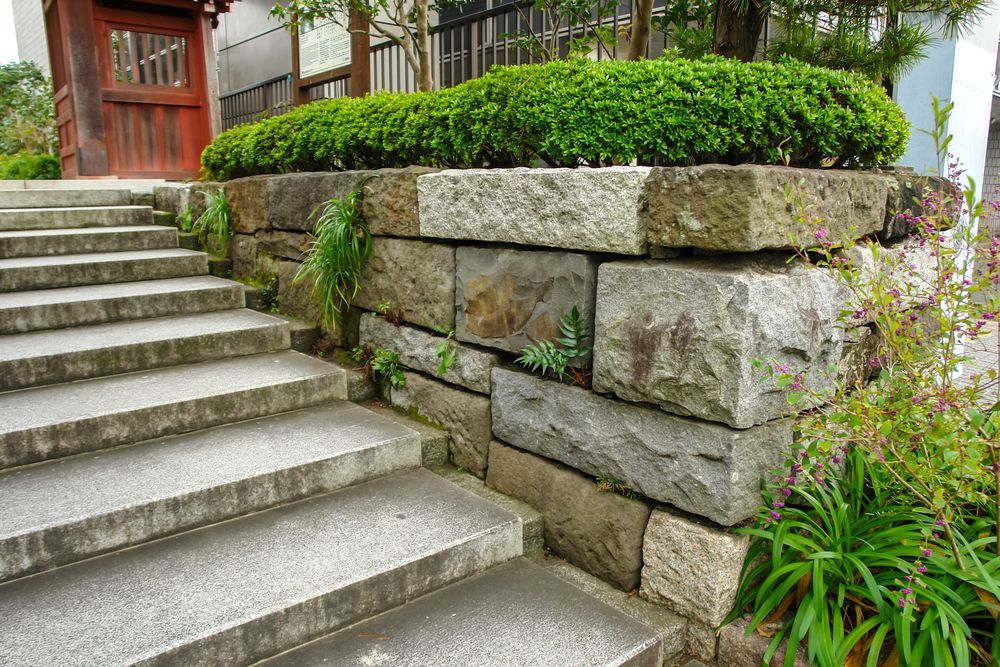
Sloped yards lose topsoil down-gradient with every heavy rain, leaving upper areas stripped to subsoil while lower zones accumulate sediment that buries existing plantings and clogs drainage pathways. Retaining walls built by Brothers Landscaping and Tree Services halt this erosion cycle by creating permanent barriers that hold soil in place on properties across Harker Heights where natural or construction-created slopes exceed what turf and plantings can stabilize on their own. The walls transform unusable inclines into level terraces suitable for planting, lawn areas, or outdoor living spaces, adding functional square footage to landscapes previously dominated by grade that was too steep for practical use.
Construction uses durable materials selected for long-term structural stability under the soil pressure and water exposure that retaining walls must resist continuously. The design accounts for drainage behind the wall—without proper relief, hydrostatic pressure from saturated soil will eventually displace even well-built structures, causing bulging, cracking, or complete failure. Footer depth, wall height, and batter angle all adjust based on the soil load being retained and how much elevation change needs to be addressed across the wall's length.
Request a site evaluation to determine wall placement and height requirements for your property's specific slope conditions.
What Retaining Wall Construction Accomplishes
The building process begins with excavation that establishes stable footer conditions below the frost line and undisturbed soil, ensuring the wall rests on ground that won't settle or shift as weight loads increase. Drainage aggregate gets placed behind the wall as courses rise, creating a pathway for water to move down and away rather than building pressure against the structure. Cap stones or finishing treatments provide a completed appearance and protect the top course from weather infiltration that could deteriorate wall integrity over time.
Once construction finishes, you'll see level planting areas or lawn zones where previously only sloped ground existed, and soil that stays in place during storm events rather than washing downhill in muddy streams. Drainage improves because water can be directed along terrace levels to designated outlets instead of sheeting across slopes and carrying topsoil with it. The usable area of the yard expands to include zones that were too steep for furniture, play equipment, or plantings that require level ground to establish properly.
Retaining walls are permanent structural additions that will outlast most other landscape elements when built correctly, though the backfill soil behind them will take time to fully compact and settle into stable condition. Walls exceeding certain heights may require engineering certification depending on local building codes, and any wall failure typically stems from inadequate drainage design rather than material deterioration—this is why drainage provisions are non-negotiable aspects of proper construction.
Questions Before Starting Your Project
Property owners facing erosion or slope challenges generally need to understand what retaining wall construction involves and how design choices affect long-term performance.
What causes retaining walls to fail after they've been installed?
Inadequate drainage behind the wall allows water pressure to build until it exceeds the wall's structural capacity, causing bulging or collapse—proper drainage aggregate and weep holes prevent this by giving water an exit path that doesn't load the wall.
How do material choices affect wall longevity and appearance?
Concrete block, natural stone, and timber all offer different trade-offs between cost, aesthetic flexibility, and lifespan—concrete block provides the most structural consistency, natural stone offers varied appearance, and timber has the shortest service life in climates with significant moisture.
When does a sloped yard need a retaining wall versus just terraced plantings?
Slopes exceeding a three-to-one grade ratio typically can't be stabilized by vegetation alone, and areas experiencing active erosion need structural intervention to stop soil loss that will continue regardless of what gets planted.
What height limitations exist before engineering requirements kick in?
Many jurisdictions require engineered plans for walls exceeding four feet in height, though this threshold varies—taller walls generate significantly more soil pressure and require more substantial footers and reinforcement than shorter landscape walls.
Why do Harker Heights properties with clay soils face specific retaining wall challenges?
Clay expands when wet and contracts when dry, creating cyclical pressure against retaining structures that doesn't occur with sandy or loamy soils—drainage design must account for this behavior to prevent movement during seasonal moisture fluctuations.
Brothers Landscaping and Tree Services builds retaining walls for properties where slope stabilization and usable space creation require permanent structural solutions rather than temporary erosion control measures. Arrange an on-site assessment to review elevation changes and discuss wall configurations that will address your property's specific grade and drainage conditions.