
TX
Belton
Turf That Absorbs Water Instead of Shedding It
Aeration in Belton for lawns with compacted soil, pooling water, or thinning grass despite regular watering
Compacted soil prevents water, air, and nutrients from reaching grass roots, and this problem intensifies in high-traffic areas or on properties with clay-heavy soil common throughout Central Texas. You'll see the effects as turf that stays wet on the surface after irrigation but shows drought stress days later, or grass that thins and weakens despite fertilization. Brothers Landscaping Belton performs aeration to loosen compacted soil, creating channels that allow root systems to access the resources needed for healthy growth and recovery.
The process uses a core aerator that removes small plugs of soil from the lawn, leaving holes that break up the compacted layer and create space for root expansion. These soil cores are left on the surface to decompose, returning organic matter to the turf, and the holes allow water to penetrate deeper rather than running off or evaporating before it reaches the root zone.
Arrange a lawn evaluation to determine if soil compaction is limiting your turf's performance and health.
Why Aeration Works for Dense Soil Areas
Aeration breaks the hardpan layer that forms when soil particles compress under foot traffic, mowing equipment, or natural settling, especially in clay soils that pack tightly when dry. Once the compacted layer is penetrated, roots grow deeper and spread laterally, which increases the turf's drought tolerance and reduces the shallow root systems that make grass vulnerable to heat stress. Fertilizers and soil amendments applied after aeration reach root zones directly instead of sitting on the surface where they wash away or volatilize.
After aeration, your lawn will absorb water more evenly without puddling or runoff, and you'll notice grass filling in bare or thin patches as roots spread into the newly available soil space. The improvement becomes most visible over the following growing season as the turf develops a denser, more resilient structure that recovers faster from wear and stress.
Timing matters significantly for warm-season grasses in Belton: aeration performed during active growth periods in late spring or early summer allows turf to recover quickly and take full advantage of the improved soil conditions. Aerating during dormancy or extreme heat provides little benefit and can stress the grass further.
Answers to Frequent Aeration Questions
Homeowners considering aeration typically want to understand how the process affects their lawn's appearance and when results become noticeable.
What does the lawn look like immediately after aeration?
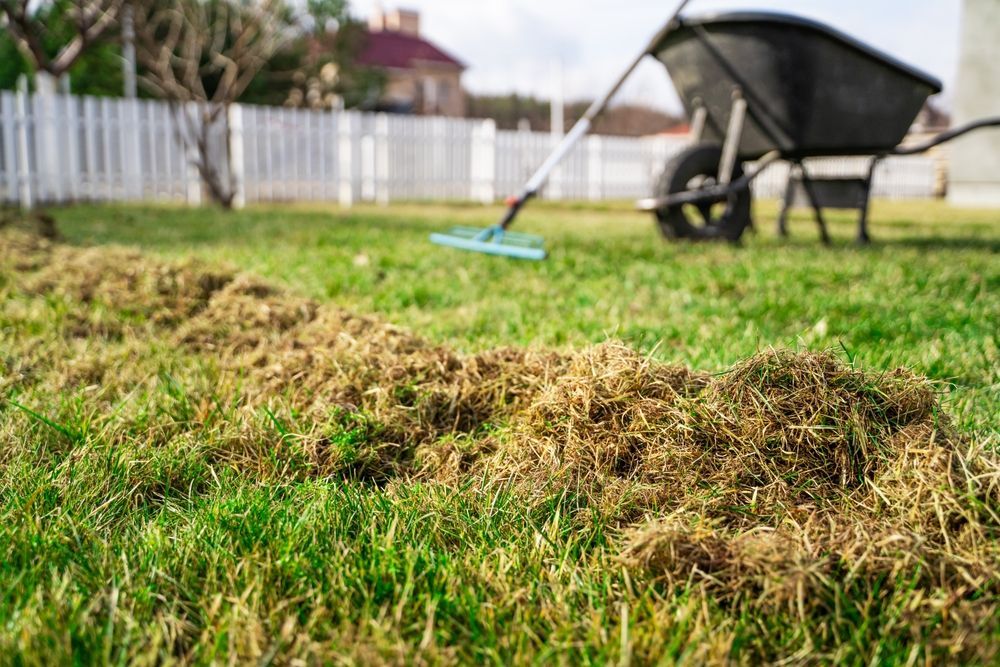
Soil plugs scattered across the turf surface give the lawn a temporarily rough appearance, but these cores break down within a few weeks and improve soil texture as they decompose.
How does aeration help patchy or thinning grass?
Compacted soil restricts root growth and limits nutrient uptake, so loosening the soil allows existing grass plants to spread and fill gaps naturally without reseeding.
When should aeration be scheduled in Central Texas?
Late April through June works well for Bermuda and St. Augustine grasses when they're actively growing and can recover quickly from the temporary disruption.
Does aeration need to be repeated annually?
Lawns with heavy use or clay soil benefit from annual aeration, while properties with lighter traffic or sandier soil may only require the service every two to three years.
How soon after aeration can fertilization be applied?
Fertilizing within a few days of aeration maximizes nutrient absorption since the soil channels allow direct root contact with applied materials.
Brothers Landscaping Belton schedules aeration services during optimal growth windows to improve soil structure and turf health. Set up a property visit to assess compaction levels and plan timing that fits your lawn's specific conditions.