TX
Belton
Outdoor Spaces Planned for Function and Appearance
Landscape Design in Georgetown for properties requiring comprehensive yard transformation and drainage solutions
Many Georgetown yards suffer from poor planning that becomes obvious once homeowners try to use their outdoor spaces: water pools in low areas after rain, plants chosen for appearance struggle in local soil and sun conditions, and hardscape elements don't connect in ways that make the yard functional for daily activities. Brothers Landscaping and Tree Services creates custom plans for residential properties where outdoor spaces need complete rethinking—combining plants, hardscapes, and layout improvements that address both how the yard looks and how it performs under the drainage challenges and climate stress common to this region. The design process takes into account sunlight patterns, existing soil conditions, and how water moves across the property during rain events, ensuring that what gets built will function correctly rather than require modification shortly after installation.
Planning begins with site evaluation that identifies drainage flow, sun exposure throughout the day, soil composition, and any existing grade issues that affect where water accumulates or how plantings will establish. Design decisions balance aesthetic goals with practical constraints like irrigation access, maintenance requirements, and how seasonal weather patterns will affect different plant species and material choices over time.
Schedule a design consultation to review how your property's specific conditions affect layout options and material selection.
What Changes After Landscape Plans Are Implemented
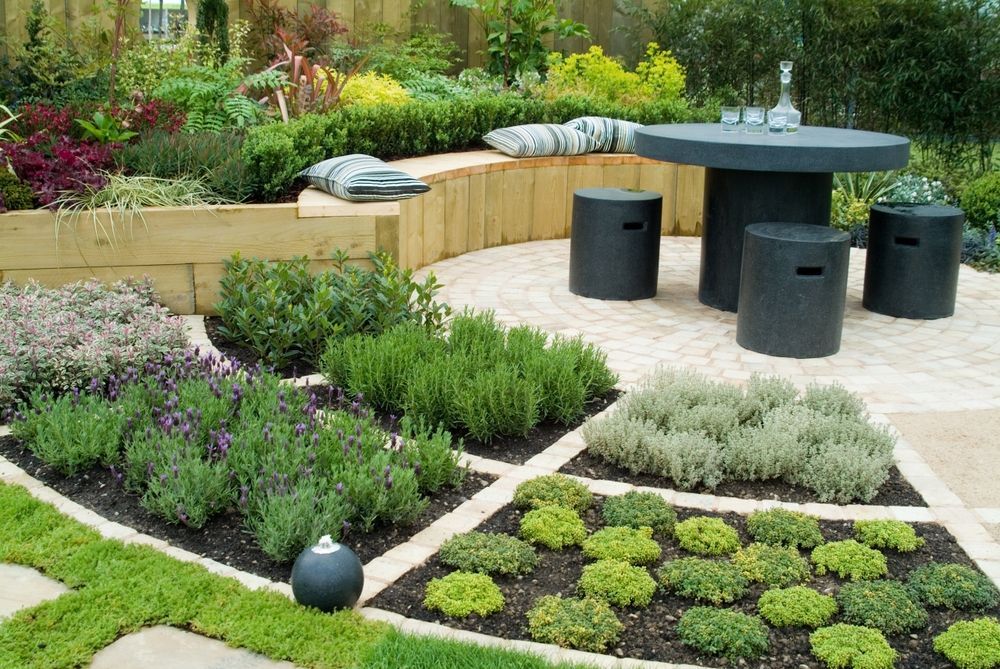
The planning phase produces detailed layouts showing plant locations, hardscape placement, drainage improvements, and how different zones within the yard will transition into each other—these plans serve as construction documents that guide installation crews and provide homeowners with clear expectations about what the finished landscape will include. Material specifications, plant lists, and grading adjustments all get documented so that execution matches the designed intent.
After implementation, you'll notice water draining away from structures and toward designated collection areas instead of pooling randomly across the yard. Planted areas contain species grouped by water and sun requirements, reducing the maintenance burden of trying to irrigate plants with conflicting needs. Pathways connect functional areas logically, outdoor living spaces integrate with surrounding plantings, and the yard operates as a cohesive system rather than a collection of disconnected elements installed without overall coordination.
Landscape design services produce the plan itself but don't automatically include installation—implementation can happen in phases as budget allows, or all at once depending on project scope and homeowner preference. Design adjustments may become necessary during installation if subsurface conditions like rock layers or utility lines appear in unexpected locations, requiring adaptations to the original layout while maintaining design intent.
What Property Owners Usually Ask
Homeowners considering comprehensive landscape design typically want clarity on how the process works and what factors drive design decisions for their specific property.
What site conditions most affect design decisions in Central Texas?
Soil drainage capacity, sun exposure intensity during summer months, and existing grade that determines where water naturally flows all constrain what can be planted where and how hardscape elements must be positioned to avoid water-related failures.
How does landscape design address properties with significant elevation changes?
Terracing, retaining walls, and strategic grading transform slopes into usable zones while managing erosion and creating level areas for planting beds or outdoor living spaces that would otherwise be unusable due to steep grade.
When should design happen relative to new construction or major renovations?
Design should precede any hardscape installation or major planting so that grading, drainage infrastructure, and utility placement get coordinated before elements are built that would later need removal or modification to accommodate proper landscape function.
What increases property value more—plant-focused designs or hardscape emphasis?
Hardscape elements like patios, pathways, and retaining walls typically add more measurable value because they're permanent improvements, while plantings contribute more to immediate curb appeal but require ongoing maintenance to preserve their visual impact.
Why do some Georgetown properties need drainage solutions integrated into landscape design?
Clay soils common in this area drain poorly, and many lots were rough-graded during construction without attention to how water would move across finished yards—design must address this or plantings will fail and hardscape will experience premature deterioration from standing water.
Brothers Landscaping and Tree Services develops landscape plans that account for site-specific challenges like drainage problems, soil limitations, and how Central Texas climate affects plant survival and hardscape longevity. Contact the team to begin the design process with a property evaluation that identifies constraints and opportunities unique to your yard.