TX
Belton
Yards That Look Maintained All Season
Lawn Care in Belton for properties with overgrown turf, uneven growth, or yard debris buildup
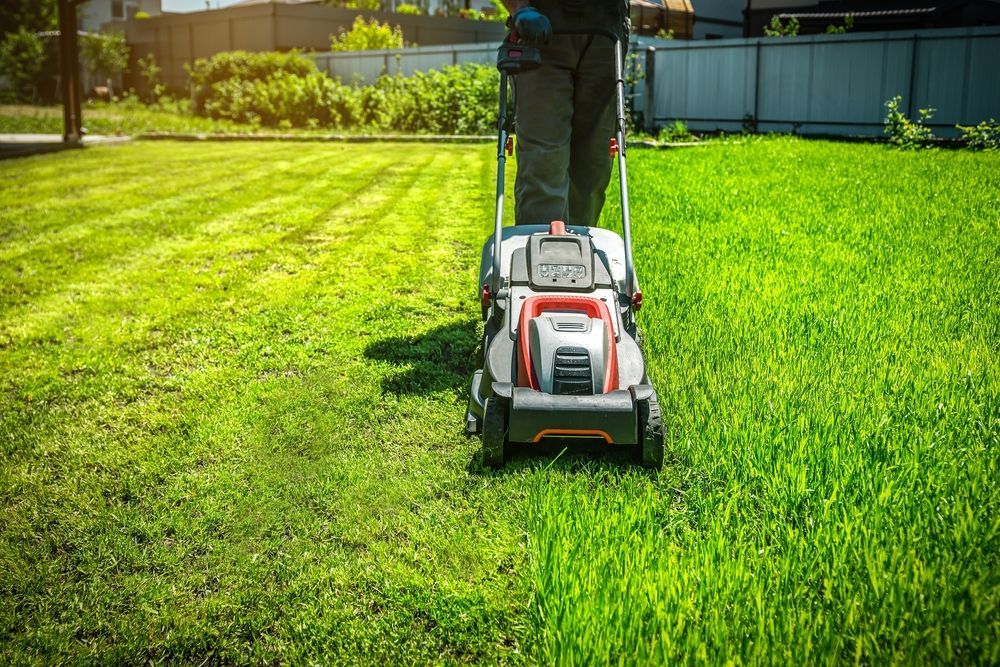
Brothers Landscaping Belton provides lawn care services that address the specific grass types and growth patterns common across Central Texas properties. Routine mowing, edging, and debris removal keep turf healthy and prevent the uneven growth and thatch buildup that occur when maintenance lapses during the region's extended growing season. Scheduled service plans ensure your lawn receives consistent attention without requiring you to track mowing intervals or weather conditions.
The work involves cutting grass to the appropriate height for your turf variety, edging along walkways and beds to create clean boundaries, and removing clippings and yard debris that can smother healthy growth. In Central Texas, Bermuda and St. Augustine grasses require different mowing heights and frequencies to stay dense and drought-resistant, and cutting too low or too infrequently weakens the turf and invites weeds.
Request a property evaluation to establish a mowing schedule tailored to your grass type and yard conditions.
What Routine Lawn Maintenance Actually Accomplishes
Consistent mowing at the correct height encourages lateral growth in warm-season grasses, which creates the dense mat that crowds out weeds and tolerates foot traffic. Edging prevents grass from creeping into beds and hardscapes, which keeps mulched areas distinct and reduces the labor required to maintain landscape borders. Cleanup after each service removes clippings and leaf litter that would otherwise block sunlight and trap moisture against the soil surface, creating conditions for fungal growth and pest activity.
After regular service begins, you'll notice sharper property lines, fewer bare or patchy spots where turf has thinned, and a yard that remains accessible and presentable between visits. Brothers Landscaping Belton structures service intervals around your lawn's actual growth rate, which varies with rainfall and temperature, so the turf stays at an optimal height without scalping or excessive length. The result is grass that recovers faster from heat stress and maintains color longer into the dry months.
Recurring plans include adjustments for seasonal growth changes, so mowing frequency increases during spring and early summer when warm-season grasses grow most actively, then tapers as growth slows in fall. This approach prevents the uneven appearance that results from fixed schedules that don't account for actual turf performance.
Questions Before Starting Your Yard Service
Homeowners in Belton often ask how routine lawn care fits with other property needs and what the service includes beyond basic mowing.
What happens if growth slows during a dry period?
Service frequency adjusts based on actual turf height rather than a fixed calendar, so you're not paying for unnecessary visits when grass growth stalls during drought or heat waves.
How does edging prevent landscape bed erosion?
Clean edges along beds and walkways stop grass runners from invading mulched areas, which keeps soil and mulch in place and reduces the need to redefine borders each season.
When should lawn care resume after winter dormancy?
In Belton, warm-season grasses typically begin active growth in late March or early April, and resuming service as green-up begins encourages dense growth before summer heat arrives.
What debris removal is included with each visit?
Clippings, leaves, and small branches are cleared from the lawn surface and disposed of, preventing thatch buildup and keeping your yard ready for use immediately after service.
How does routine care improve property value?
Consistent maintenance prevents the overgrown appearance and bare patches that signal neglect to potential buyers, and well-maintained turf supports higher appraisals and curb appeal.
Brothers Landscaping Belton schedules recurring service plans that keep your lawn healthy and accessible throughout the year. Arrange a consultation to review your property's specific grass type and establish a maintenance plan that matches your yard's growth patterns.