
TX
Belton
Pathways That Define Outdoor Space Organization
Garden Stones in Salado for yards needing clear walkways and landscape structure
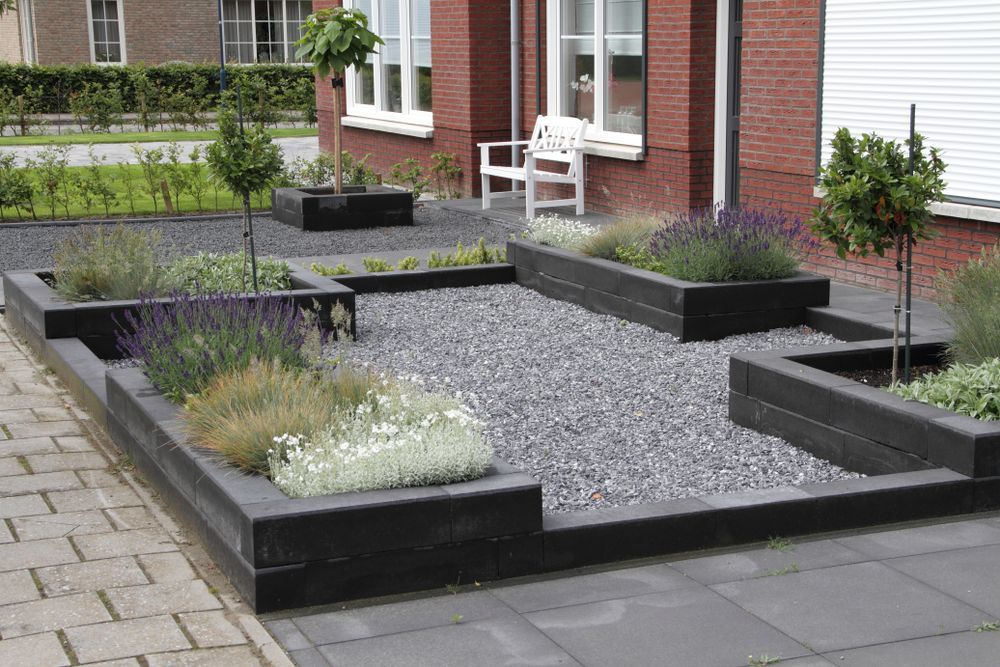
Residential landscapes often lack clear pathways between functional areas—guests walk across turf to reach side yards, mulch beds get trampled when accessing garden zones, and no defined route exists between commonly used outdoor spaces. Installation of decorative and functional garden stones addresses this by creating permanent walkways and borders that organize outdoor areas while adding visual interest to yards that previously relied solely on turf and planting beds. The stones serve dual purposes: they guide foot traffic along intended routes and they create visual boundaries that separate different landscape zones without requiring fencing or dense plantings.
Brothers Landscaping and Tree Services installs garden stones across Salado properties where homeowners want durable pathway materials that maintain their position and appearance through years of use and weather exposure. The installation process involves ground preparation that ensures stones sit level and stable, material selection based on the aesthetic homeowners want to achieve, and layout planning that accounts for natural traffic patterns and how people actually move through outdoor spaces. Stones can be combined with flower beds and mulch to create layered landscape designs where hardscape and softscape elements reinforce each other visually.
Arrange a consultation to review pathway locations and material options suited to your landscape layout.
How Stone Installation Changes Yard Functionality
The placement process considers drainage patterns to avoid creating barriers where water naturally flows during rainfall, and spacing or base preparation adjusts depending on whether the pathway will receive light foot traffic or needs to support occasional equipment access. Material choices range from flagstone that creates irregular, natural-looking paths to uniform pavers that produce clean geometric lines—the decision affects not just appearance but also how forgiving the surface is to walk on and how installation complexity scales.
Once stones are installed and settled, you'll see defined routes that stay dry and accessible even after rain events that turn surrounding turf into soft, muddy ground. Mulch beds bordered by stone edging maintain their boundaries without mulch spilling into adjacent lawn areas or grass creeping into planted zones. Foot traffic concentrates on stone surfaces rather than compacting soil in planting areas or wearing paths through turf where people repeatedly walk the same route.
Stone installations are permanent additions that don't require seasonal replacement, though individual stones may shift slightly over time if ground settles or tree roots grow underneath—this is particularly common in areas with active root systems from nearby mature trees. The stones themselves will outlast most other landscape materials, but the ground underneath may require occasional releveling if significant settling occurs in the years following installation.
Answers to Frequent Service Questions
Property owners planning stone installations usually ask about material longevity and how layout decisions affect both function and maintenance.
What determines whether a pathway needs stone versus just mulch or gravel?
Frequency of use matters most—pathways that see daily foot traffic benefit from stable stone surfaces that don't compress or erode, while decorative accents in low-traffic zones can use lighter materials without developing ruts or bare spots.
How does base preparation affect whether stones stay level over time?
Compacted base material prevents settling that causes individual stones to sink or tilt, which becomes especially important in Central Texas clay soils that expand and contract with moisture changes throughout the year.
When do garden stones work better than poured concrete for pathways?
Stones offer flexibility for curved paths and informal layouts, they allow water to percolate between joints rather than creating impermeable surfaces, and individual stones can be adjusted or replaced without demolishing entire sections like you would with concrete.
What edge treatment keeps stones from migrating into lawn areas?
Metal or plastic edging installed along pathway borders contains stone and base material, preventing lateral movement that occurs when mowers or foot traffic gradually push pathway materials outward into surrounding turf.
Why do some Salado properties combine stones with other hardscape materials?
Mixing flagstone pathways with decorative rock borders or integrating stepping stones into mulched areas creates visual variety and allows different materials to serve their best functional purpose within the same landscape design.
Brothers Landscaping and Tree Services handles custom stone layouts for properties where pathway definition and landscape organization will improve both appearance and how outdoor spaces function for daily use. Request a site assessment to identify where stone installations would address current traffic patterns and drainage considerations in your yard.